Details to check before choosing a Dubai desert safari
A desert trip can look simple from the outside: a vehicle, some dunes, a stop for photos, and a ride back to the city. The real differences sit in the smaller details. Before choosing a package, it helps to read past the headline and understand what the day actually includes. A lower headline figure may leave out transfers, meals, or activities that another package bundles in, while a higher one may still be poor value if the schedule feels rushed.
The best way to compare options is to turn the offer into a set of clear questions. What time does the trip start? How long is the drive? Is the experience shared or private? Which activities are included, and which ones cost extra? Once those answers are clear, the choice becomes much easier. A safari is not just a item to tick off a travel list, it is a block of time in a short trip, so the fit matters as much as the offer.
Start with the time of day
The first thing to settle is the slot. An evening safari is popular because it can combine dunes with sunset views and dinner. It tends to be busier, especially when groups gather at the same camps. A morning safari usually feels quieter and works better for people who want a shorter outing or have plans later in the day. Neither option is automatically better. The right pick depends on whether the priority is atmosphere, heat, crowd levels, or a schedule that leaves room for other plans.
Check the pickup window too. Some trips use a broad pickup range because the vehicle has several stops. That can be fine, but it changes the pace of the morning or evening. If the day is tight, look for a clear start time and ask how long the return journey usually takes. A trip that looks short on paper can feel much longer once city traffic and camp transfers are added.
Read what is included, line by line
Many packages use similar wording, yet the contents can vary. A useful comparison is to write down the main parts of the day and mark them as included, optional, or missing. Pay attention to the following:
- Transport and pickup. Confirm whether pickup and drop-off are part of the deal, where the vehicle can stop, and whether the route is shared with other guests.
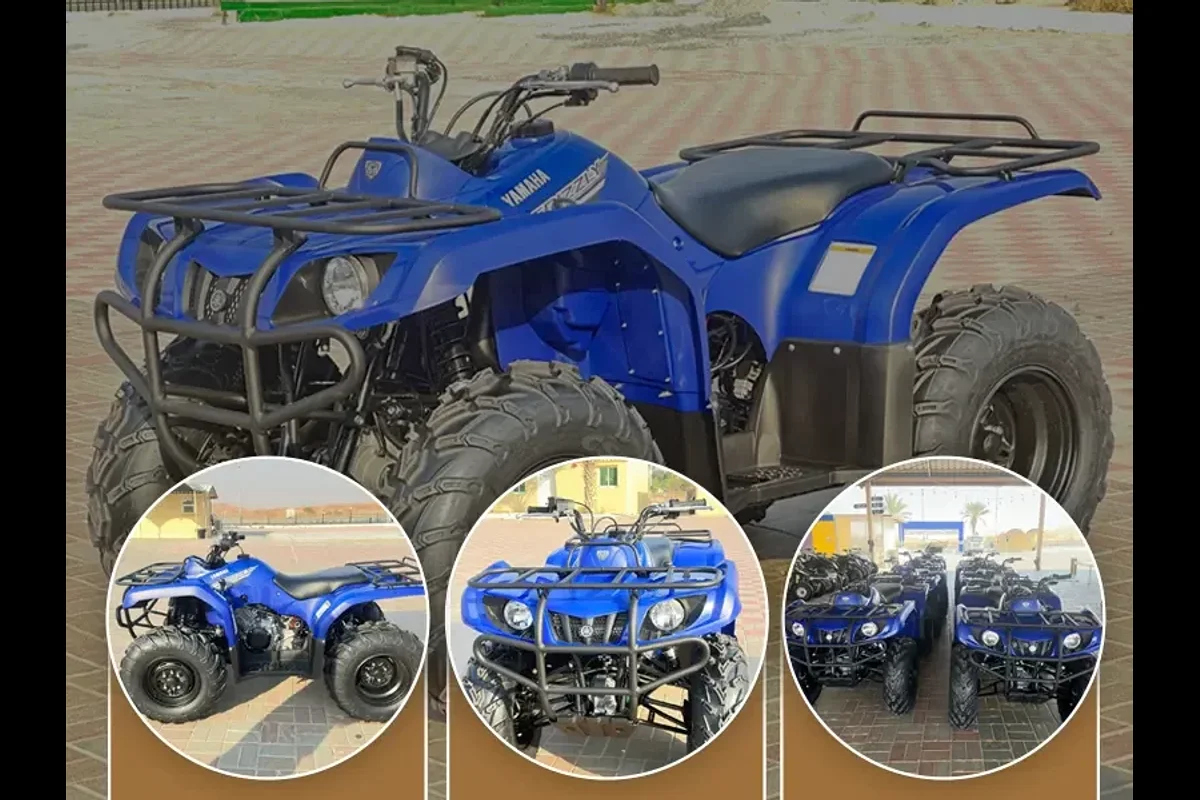
- Drive style. Check how much dune bashing is planned and whether there is a calmer route for people who prefer a gentler ride.
- Activities. A camel ride, sandboarding, photo stops, and entertainment may be included in one package and treated as extras in another.
- Food and seating. A BBQ dinner can mean a buffet with shared tables, while another setup may offer table service or a quieter area. Ask if drinks are included.
- Group size. A shared tour has a different feel from a private safari. The first is usually more social, the second gives more control over timing and space.
These points matter because they shape the experience more than the name of the package. A trip with many short stops can feel scattered. A trip with long gaps between activities can feel slow. A clear itinerary helps set expectations, especially for first-time visitors who may not know how much time is spent moving between the city, the dunes, and the camp.
Compare the total, not the headline
When travelers search for desert safari dubai price, they often see a wide range of figures. Some offers cover only the drive, some add dinner, and some include a longer list of activities. To compare fairly, look at the whole package. If transfers are missing, that is a cost to add. If dinner is not included, the evening may need a separate plan. If activities are charged on the spot, the final spend can move well beyond the number that first caught the eye.
It also helps to check what happens if plans change. Are there rules for late arrival, cancellation, or missed pickup? Clear terms are a sign of a well-run booking process. Vague wording can lead to confusion later, particularly when several people are traveling together and each person has a different hotel or meeting point. Good comparison is not about chasing the lowest number. It is about knowing exactly what that number covers.
Match the safari to the people going
A package that suits one group may not suit another. Families may prefer a slower pace, clear meeting points, and activities that work for different ages. Couples may value a quieter setting and time to watch the light change over the dunes. Friends may enjoy the energy of a larger group and a fuller schedule. The practical details should reflect the people on the trip, not just the photos on the page.
Physical comfort is worth considering as well. Dune driving can be bumpy, and sitting for long periods in a vehicle is part of the experience. Anyone prone to motion sickness may want a calmer option and should avoid heavy meals before the drive. Loose clothing, sun protection, and water are sensible in warm weather. In cooler months, a light layer can still be useful once the sun goes down. These are small choices, but they affect how the day feels.
Check the camp and dinner setup
For many trips, the camp is where the outing either settles into a relaxed evening or feels crowded and rushed. Look at what is described rather than relying on general images. Is there enough seating? Are tables shared? Is the dining area close to the activity zone, or set apart from it? A camp with live entertainment can be lively, but it may not suit someone hoping for a quiet dinner under the sky.
Food labels deserve a close read too. A barbecue dinner may include a mix of grilled items, rice, salads, and desserts, but dietary needs should be checked before booking. Vegetarian options, spice levels, and drink choices are common points of confusion. If a meal is a major part of the evening, treat it as a proper part of the decision rather than an afterthought. The same applies to timing. A dinner served late can be uncomfortable for children or for guests with an early flight the next day.
Look at the vehicle and route details
The drive is the center of the experience, so it is worth asking how it is structured. Some routes focus on wide open dunes and photo stops. Others add a longer stretch of dune bashing before reaching the camp. A shared tour may follow a fixed route with several vehicles, while a private safari may allow more flexibility. The route matters for comfort, safety, and the overall pace.
Ask whether the driver can adjust the ride when passengers ask for a slower style. A responsible operator should be able to explain the difference between a standard route and a gentler one. Avoid any offer that treats safety as an optional extra or encourages risky driving for thrill alone. The best outings feel exciting without feeling careless. Clear communication before the trip makes it easier to raise concerns on the day.
Understand the booking terms before paying
Once the package fits, the final step is to read the booking details with care. Check the date, pickup point, number of guests, activity list, meal inclusion, and any extras added at the camp. Make sure the confirmation matches what was discussed. If something is unclear, ask before payment rather than after. A short message at this stage can prevent a long discussion later.
Also check how changes are handled. Travel plans shift, flights get delayed, and hotel arrangements can change. Knowing the rules in advance helps avoid surprises. The aim is not to find a perfect answer for every scenario, but to understand the terms well enough to choose with confidence.

Make the choice on fit, not appearance
A good desert outing is built from many small decisions. The time of day, the group size, the drive style, the camp setup, the meal, and the pickup details all shape the final experience. A clear comparison of desert safari dubai price can show where the real value sits, especially when extras are easy to miss. Take a few minutes to line up the offers in the same format, then choose the one that matches the pace and comfort of the group.
That approach keeps the decision practical. Instead of reacting to a single figure or a striking photo, the focus stays on what the day actually delivers. When the basics are clear, the safari is easier to enjoy, whether the plan is a short morning drive, a lively evening with dinner, or a quieter private outing away from the busiest groups.